Craft Tips & ToolsBeginner
Beginner's Guide to Choosing Crochet Hooks
Aluminum, bamboo, ergonomic, tunisian — a plain-English guide to what actually matters when you're picking your first (or fifteenth) crochet hook.
Aluminum, bamboo, ergonomic, tunisian — a plain-English guide to what actually matters when you're picking your first (or fifteenth) crochet hook.
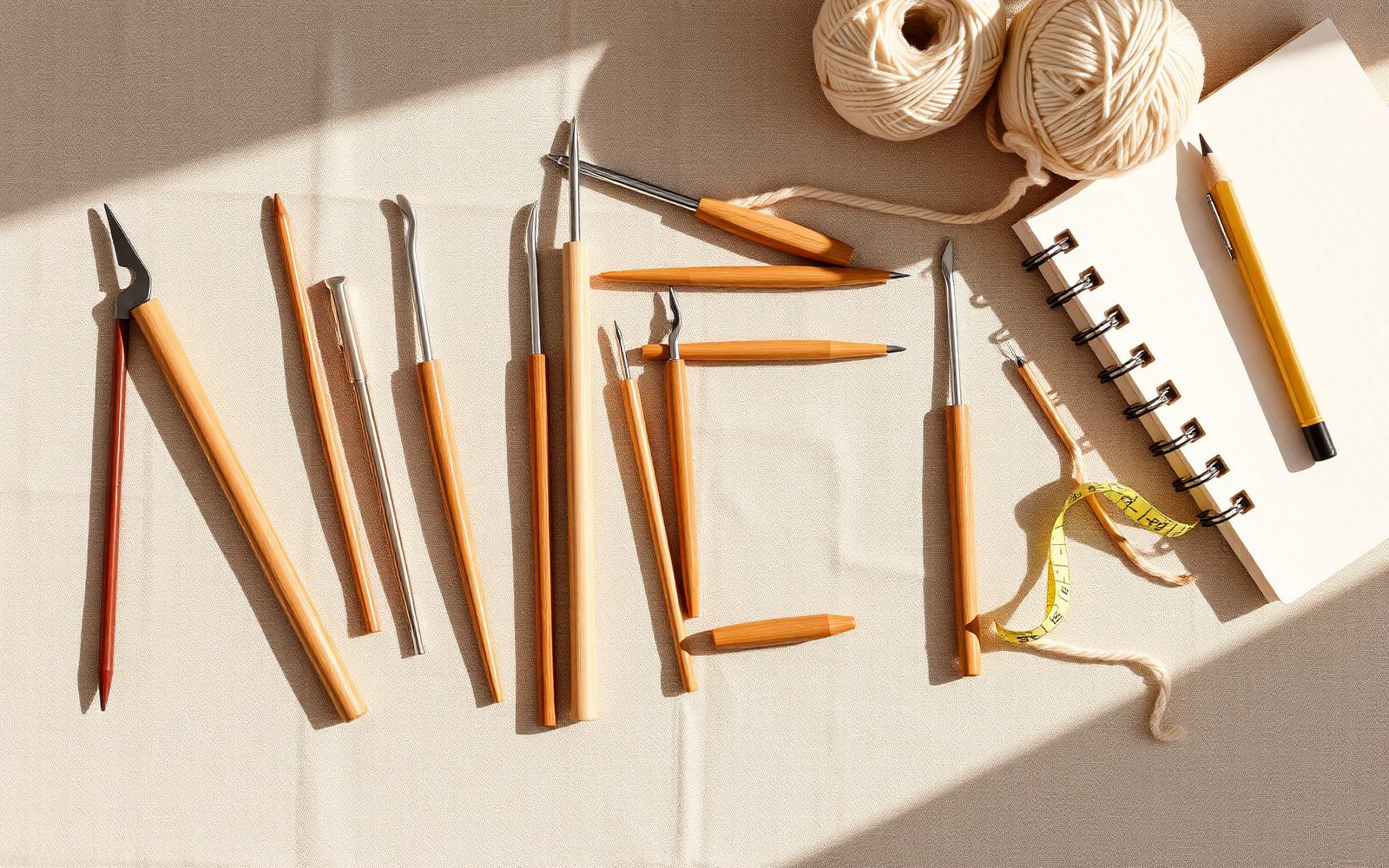
The hook is the smallest tool in the craft, and one of the least discussed. But if you've ever finished a project and felt sore in your wrist or thumb, or found yourself gravitating to one hook in the drawer over the identical one next to it, you already know: hooks matter. This guide walks through what to look at when you're choosing your first hook, and what to look at again when you're upgrading.
Every crochet hook is doing two jobs: it needs to catch the yarn cleanly on the throat (the notch under the tip), and it needs to feel neutral in your hand for hours. Everything else — material, brand, price — is a variable that affects those two jobs.
Hook sizes are labeled in millimeters (universal), and in some regions with US letters or UK numbers as well. As a beginner, memorize just three sizes:
The default hook you'll find in every craft-store aisle. Cool, smooth, and fast — yarn slides across the metal easily. If your hands run hot, aluminum is often the most comfortable. The downside: cheaply made aluminum hooks sometimes have a rough throat that snags acrylic and mohair. Run your fingernail across the notch before you buy.
Warm, quiet, and slightly grippy — yarn moves more slowly across bamboo than aluminum, which is a feature if you're a fast, loose crocheter and a bug if you're a slow, careful one. Wooden hooks feel beautiful in the hand and often help beginners with tension.
A metal hook with a soft rubber or plastic handle. If you have any wrist or thumb issues — carpal tunnel, arthritis, tendonitis — ergonomic hooks are worth every extra dollar. Popular brands include Clover Amour, Furls Streamline, and Prym.
Tunisian (afghan) hooks are long, hold many stitches at once, and are used for a specific crochet-knit hybrid technique. You do not need one to learn crochet. Save it for when you're specifically curious about Tunisian.
There are two grip styles: pencil (holding the hook like you would a pencil) and knife (holding it like a table knife). Most hooks work fine either way, but some ergonomic hooks are shaped specifically for one grip. If you don't know your grip, try both for ten minutes on a swatch — you'll feel which one is natural.
Do I need a whole set? No. Beginners never use half the sizes in a starter set, and cheap sets are often poorly finished. Buy one hook you love and add sizes as patterns demand them.
Are expensive hooks worth it? For a few hours a week, no. For a daily crocheter with hand pain, absolutely yes. The jump from a $2 hook to a $15 ergonomic hook is one of the highest-return upgrades in the craft.
A 5.0 mm (US H/8) hook paired with worsted-weight yarn is the classic beginner combination. It's big enough to see your stitches clearly and works with most beginner patterns.
If you crochet more than a couple of hours a week, yes. Ergonomic handles reduce grip fatigue significantly and prevent the wrist and thumb strain that causes many crocheters to abandon a project mid-way.
Metal hooks are cooler, smoother and faster; yarn slides across them freely. Bamboo (or wooden) hooks are warmer, quieter and slightly grippier, which helps some beginners with tension.
Not to start. Buy a single 5.0 mm hook, complete a project or two, and add sizes as your projects demand them. This produces better hooks per dollar than a starter set.
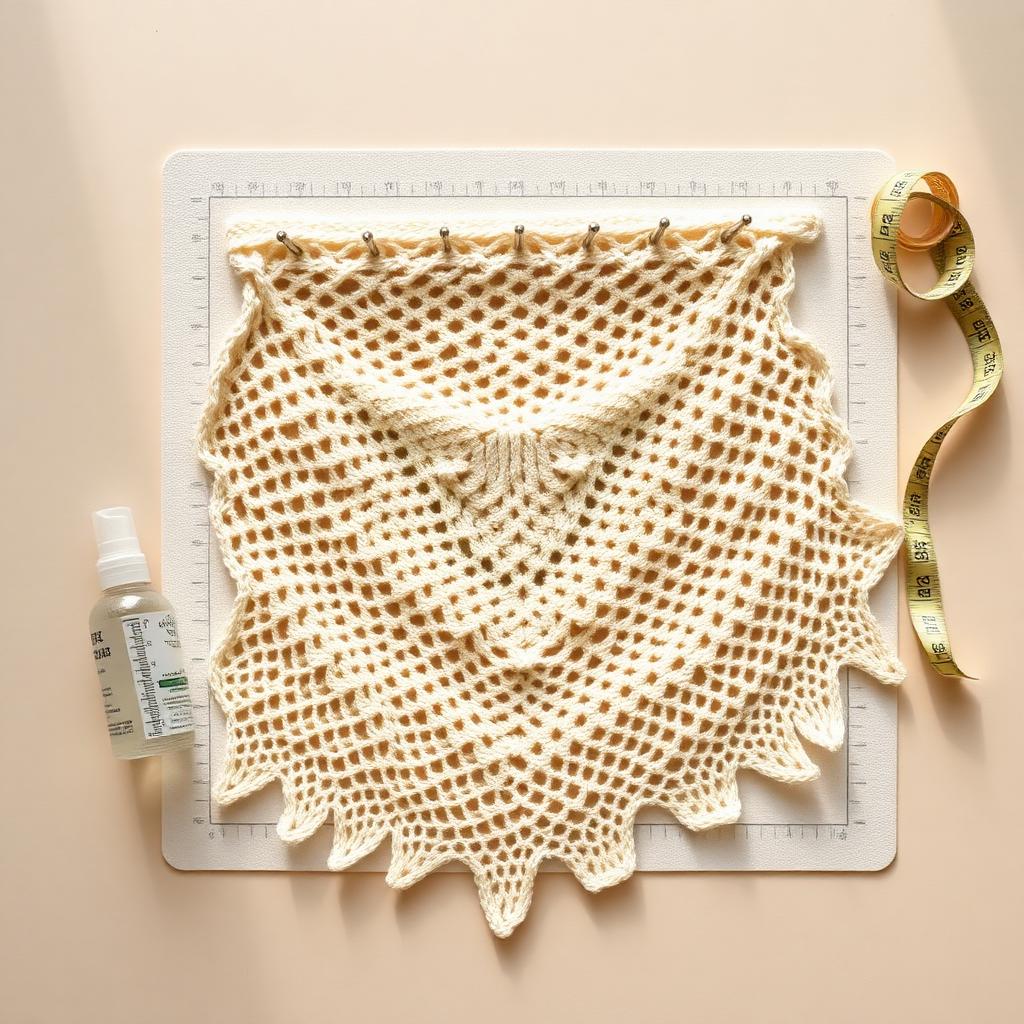
The finishing step that turns a homemade-looking make into a professional one. Three blocking methods, when to use each, and how to block acrylic without ruining it.
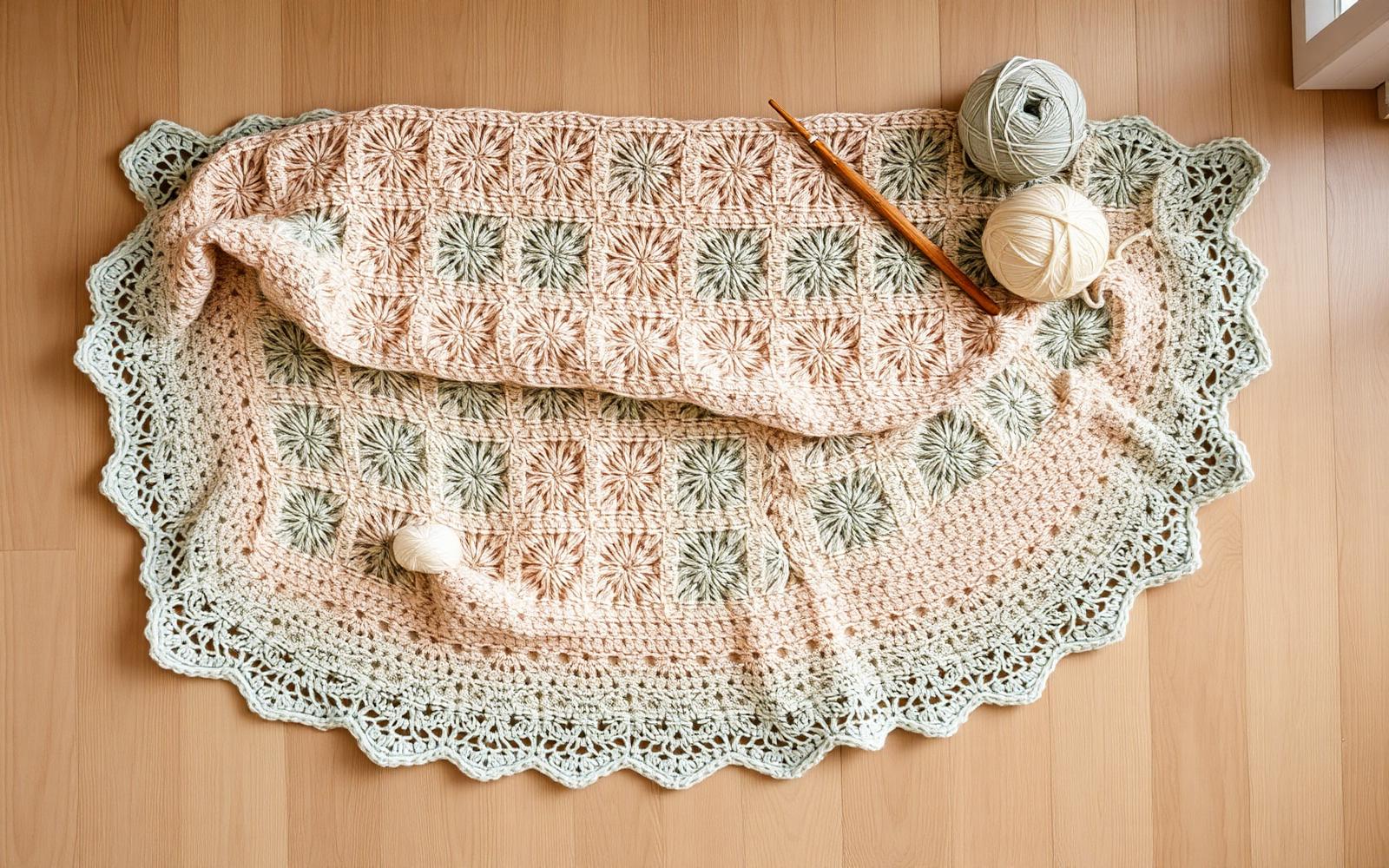
A relaxed, forgiving granny-square blanket you can start today. Full pattern, materials, joining method, and honest tips from stitching this design a dozen times.
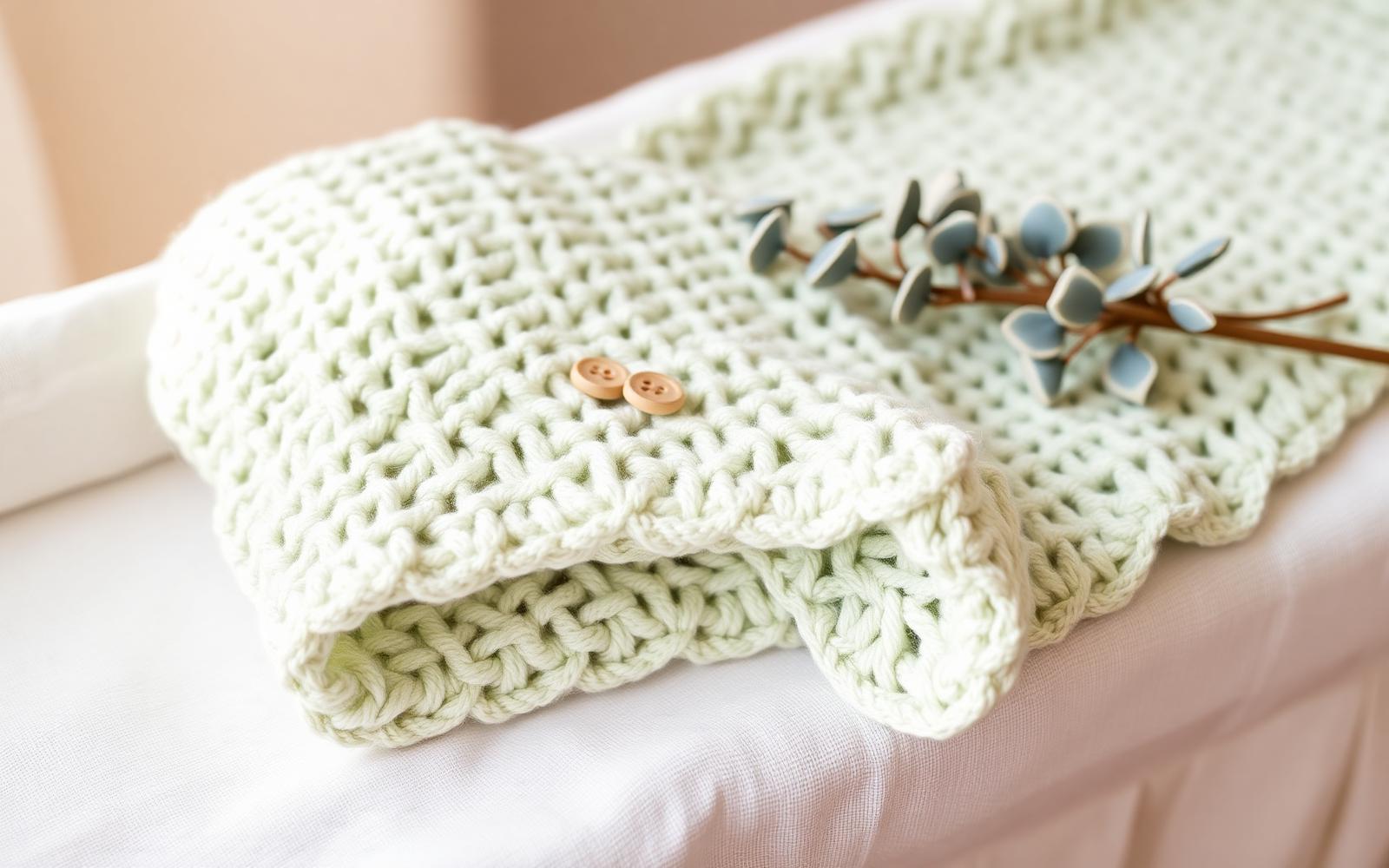
A soft, drapey shell-stitch baby blanket that works up in a weekend. Full written pattern, size chart, yarn recommendations, and the shell-stitch fix everyone gets wrong on Row 2.