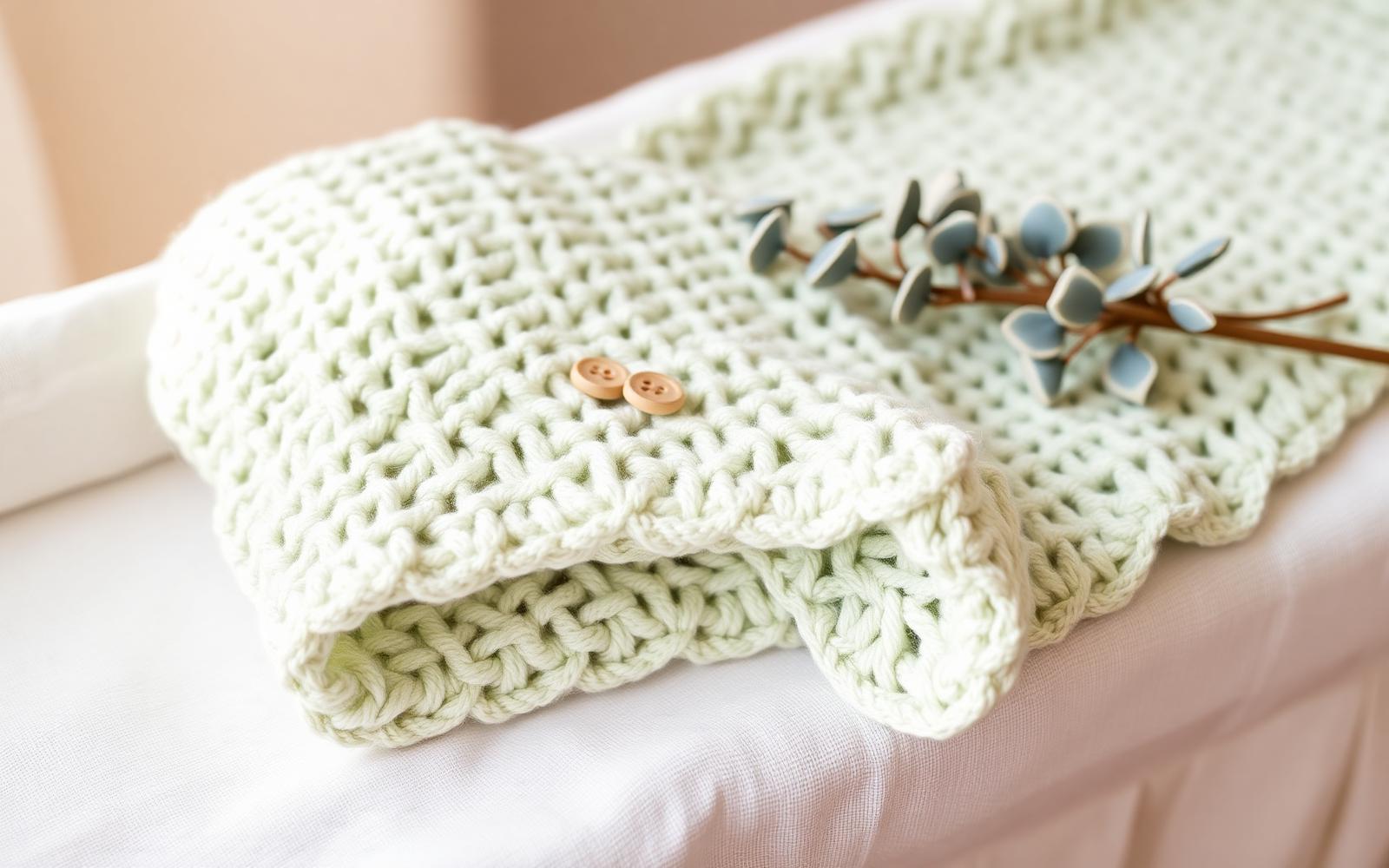
Shell stitch is one of those rare crochet stitches that looks intricate but is only two things repeated: some double crochets stacked into one spot, and a single crochet between them. Once you've done four rows, your hands know the rhythm. And the finished fabric — soft scallops, small openwork holes, gentle drape — is exactly what you want against a baby's cheek.
This blanket has been the most-gifted make in my baby-shower rotation for six years running. It's fast (a weekend of evenings), forgiving on tension, and looks equally at home in a modern nursery or a rocking-chair-and-oak-floor one.
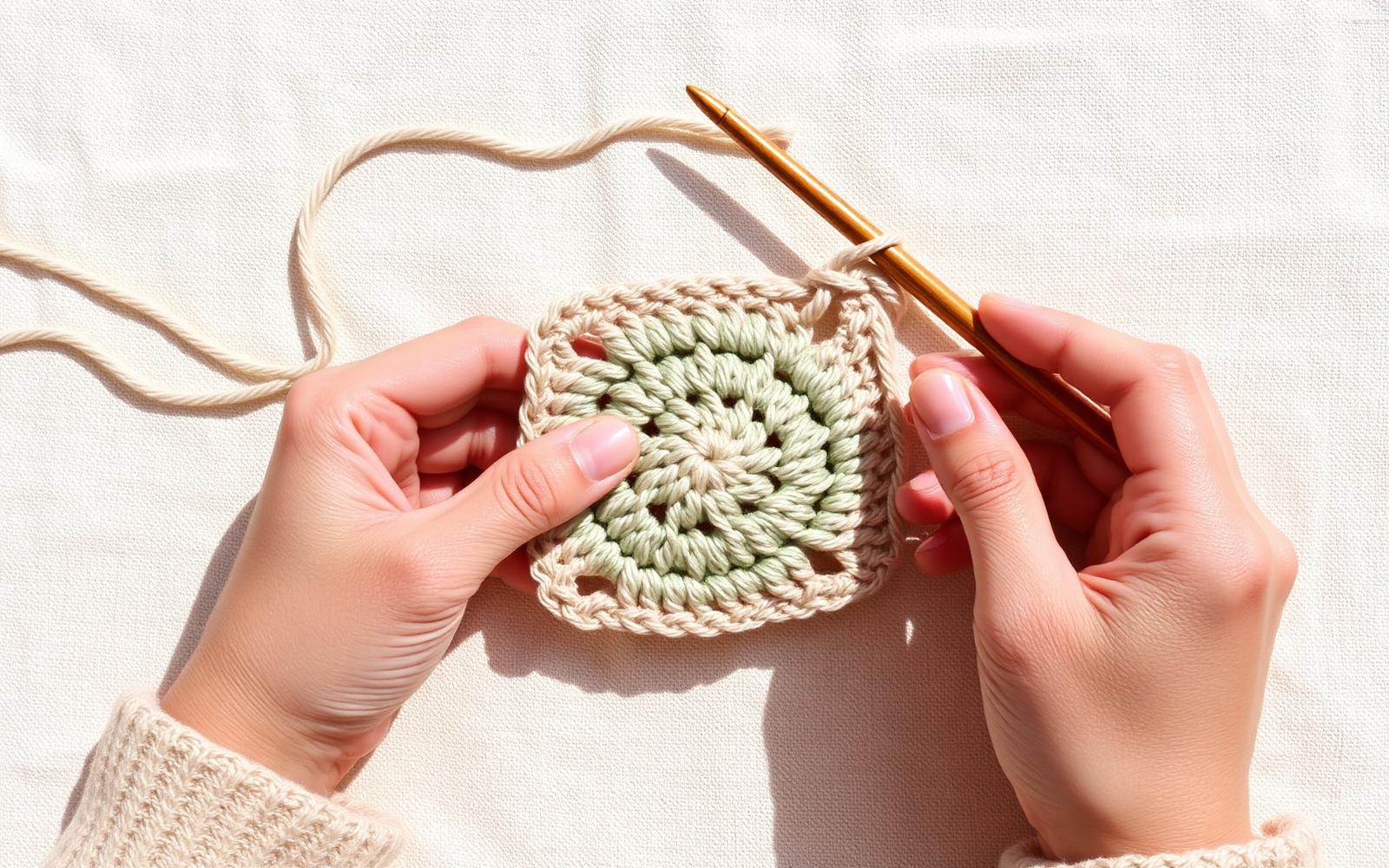
This project is a comfortable intermediate. You should be able to make a chain, count stitches without help, work double crochet fluidly, and count to five in your head. If you've completed a granny-square project, you're ready.
- Lovey (18 × 18 in): ch 50, ~300 yards.
- Stroller blanket (30 × 36 in): ch 80, ~700 yards.
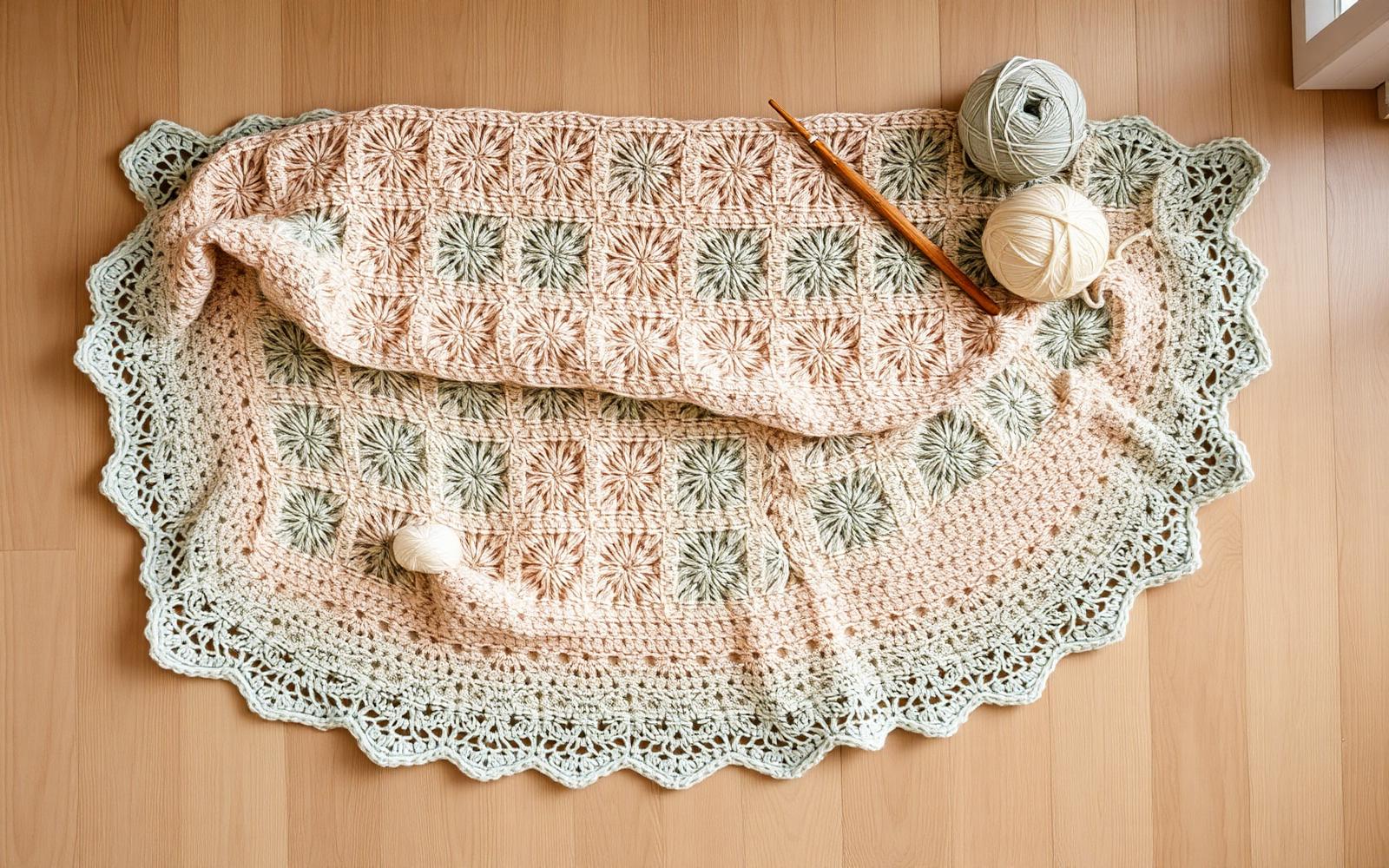
- Crib blanket (36 × 48 in, shown): ch 98, ~900 yards.
- Toddler bed (42 × 60 in): ch 116, ~1,300 yards.
For a baby blanket, prioritize three things: softness against skin, machine washability, and OEKO-TEX-100 certification (a common European standard for textiles tested for harmful substances). Bamboo-cotton blends win on all three. Merino superwash is beautiful but more expensive. Avoid acrylics with visible sheen — they tend to squeak against sensitive skin.
The shell stitch is a two-row repeat. Once you learn the two rows, you just alternate them for the entire blanket.
- Ch a multiple of 6, plus 2, plus 3 for your turning ch. For the crib size in the photos: ch 98 + 3 = 101 total.
- Sk 3 ch (counts as first dc), dc in next ch.
- *Sk 2 ch, 5 dc in next ch (this is a shell), sk 2 ch, sc in next ch.* Rep from * to * across.
- End with 2 dc in the final ch. Turn.
- Ch 3 (counts as first dc). 2 dc in the first sc of the previous row (this is a half-shell).
- *Sc in the center dc of the next shell (the 3rd of the 5 dc), 5 dc in the next sc.* Rep from * to * across.
- End with a half-shell (3 dc) in the top of the beginning ch 3 of the previous row. Turn.
Alternate Rows 1 and 2 until your blanket is one full row short of your target length. Then work a plain final row of single crochet across the top for a clean edge before you add the border.
A simple picot border completes the blanket beautifully. Around the entire perimeter: sc in each stitch. Every 4th stitch, work a picot (ch 3, sl st back into the base of the ch 3). At every corner, work 3 sc into the corner stitch to keep it flat. Fasten off and weave in ends.
Wet-block your finished blanket to open up the shells and even out the drape. Soak in cool water for 20 minutes, roll in a towel, and pin flat to a large mat, gently tugging each scallop into shape along the edges. Dry flat for 24 hours before wrapping.
Wash your finished blanket in fragrance-free detergent before gifting. Fold with tissue paper, tie with a linen ribbon, and include a small tag with the fiber content and washing instructions — new parents will thank you six weeks in when they need to know how to launder it.