DIY Home DecorBeginner
Affordable DIY Home Decor Projects That Look Expensive
Eight budget-friendly home decor projects that quietly upgrade a room — with real materials lists, finish photos and the shortcuts that make them look store-bought.
Eight budget-friendly home decor projects that quietly upgrade a room — with real materials lists, finish photos and the shortcuts that make them look store-bought.
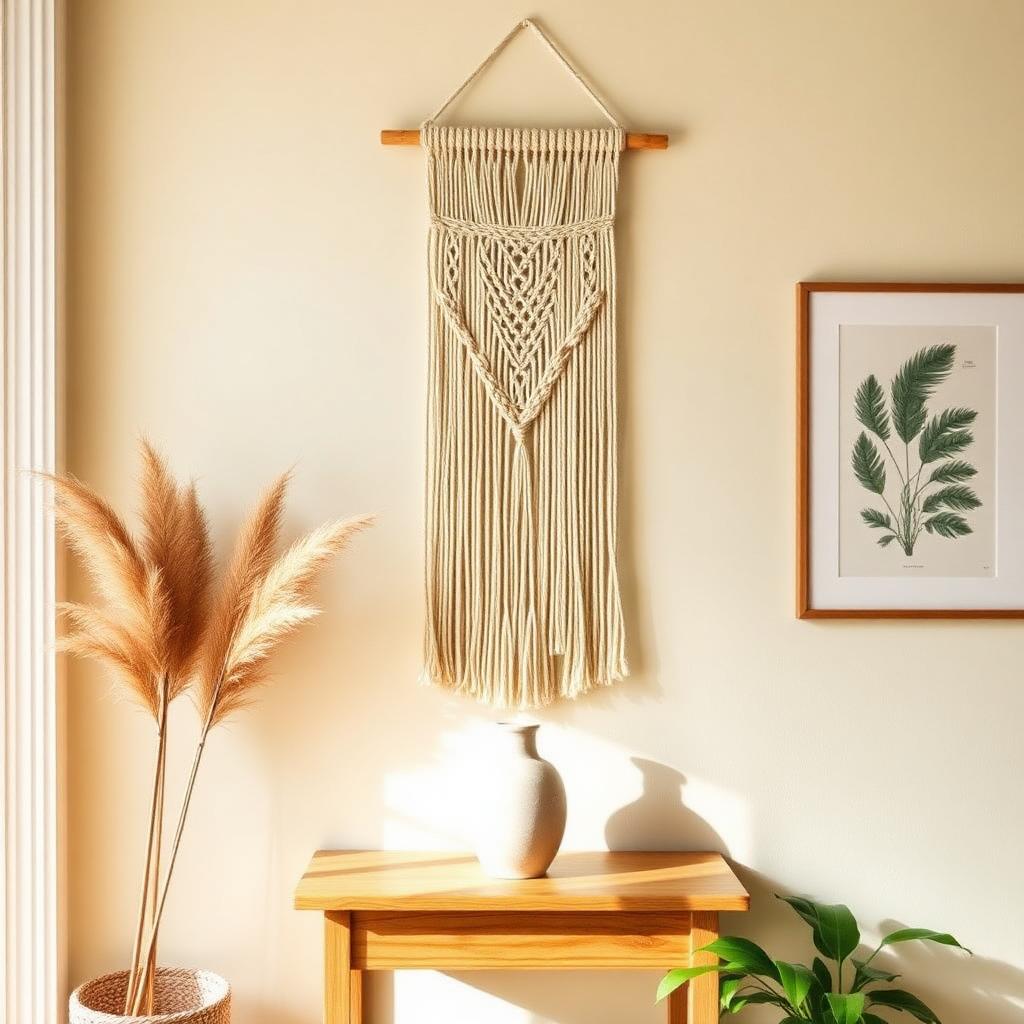
The gap between a DIY that looks charmingly handmade and a DIY that looks like a Pinterest fail is usually one or two small choices: real wood instead of MDF, matte paint instead of glossy, one extra hour of sanding. This list is eight home decor projects where those small choices matter — and where the results genuinely hold up next to store-bought.
A shallow floating shelf for propped-up art. Materials: 1x4 solid oak board (length to taste), 1x2 oak strip for the front lip, wood glue, ¾-inch wood screws, cordless drill, wood stain or oil. Cut the 1x2 to the same length as the 1x4, glue and screw it along the front top edge to form a small lip, sand smooth, oil or stain. Mount to studs with two heavy-duty flush-mount brackets. Rests art safely, looks like a $180 shelf from a design store.
The classic budget-decor upgrade. Materials: single dowel or driftwood branch (24 inches), 8mm natural cotton macrame cord (about 200 feet), scissors. Learn three knots — lark's head, square knot, spiral knot — and design a piece freeform. Cotton cord is under $20 for a roll. A finished piece this size retails for $80–$150.
Time: 20 minutes plus drying. Materials: unfinished wooden spoons (thrift or craft store), painter's tape, latex or chalk paint in a single accent color, food-safe mineral oil. Tape a clean line one-third up the handle, paint below the tape, remove tape while wet for a crisp edge. Once dry, oil the entire spoon. Purely decorative if painted with regular latex; food-safe versions require milk paint and beeswax finish.
Materials: rapid-set concrete mix, two plastic containers (one nesting inside the other with about ¾-inch gap), petroleum jelly, sandpaper. Grease the inside of the outer container and the outside of the inner one. Pour concrete into the gap, tap out air bubbles, let set 24 hours. Unmold, sand smooth, seal if you like. Total cost under $5 per planter.
Store-bought linen curtains run $80–$200 per panel. Cut your own from 100% linen fabric ($15–$25 per yard), hem the edges with iron-on hem tape (no sewing machine required), and clip to a rod with wooden ring clips. The trick is the length — curtains should just kiss the floor. Too short reads cheap; too long puddled looks intentional.
Materials: three matching frames (thrift store, spray-painted matte black or left natural wood), single sheet of thick watercolor paper cut to fit, pressed leaves or flowers, small dot of clear-drying craft glue. One species of pressed leaf per frame, centered. A trio of these on a wall reads like a museum print set.
A small stepped riser for coffee tables and kitchen counters. Materials: two wooden bread-cutting boards from a thrift store (one smaller than the other), four small wooden dowels or blocks, wood glue. Glue the dowels between the boards as legs, forming a two-tier riser. Sand, oil. Perfect for elevating a candle, a plant, or a cookbook display.
Materials: small amber glass spray bottle, distilled water, witch hazel, essential oils. Fill the bottle 80% with distilled water, 15% with witch hazel (as an emulsifier), and add 20–30 drops of essential oil. Cedarwood + orange, lavender + eucalyptus, and rosemary + lemon are all beautiful combinations. Shake before use.
Three habits that separate credible DIY from craft-fair DIY: sand every wooden edge until it's satiny to the touch, avoid glossy paint finishes on anything trying to look natural, and match one accent color (or one metal, or one wood tone) across a whole grouping. Consistency reads as intentional, and intentional reads as expensive.
The macrame wall hanging. Big visual presence, low material cost, and no woodworking skills required. A finished piece will change a whole wall.
Thrift stores for wooden picture frames and cutting boards, hardware stores for solid oak and pine, and craft supply stores for cord, paint and dowels. Skip big-box 'craft kits' — they're marked up and use lower-quality materials.
Stain when the wood grain is beautiful and you want it to show. Paint when the wood grain is boring, damaged, or you're going for a solid, graphic look. When in doubt, oil — it's the most forgiving finish.
Yes — the projects on this list either sit on furniture or hang from a single small nail or command strip. Nothing here requires permanent modifications.
Natural window light, a plain background (a folded bedsheet works), and shoot from slightly above. Take one wide shot for context and one close-up of the texture. That's all it takes.
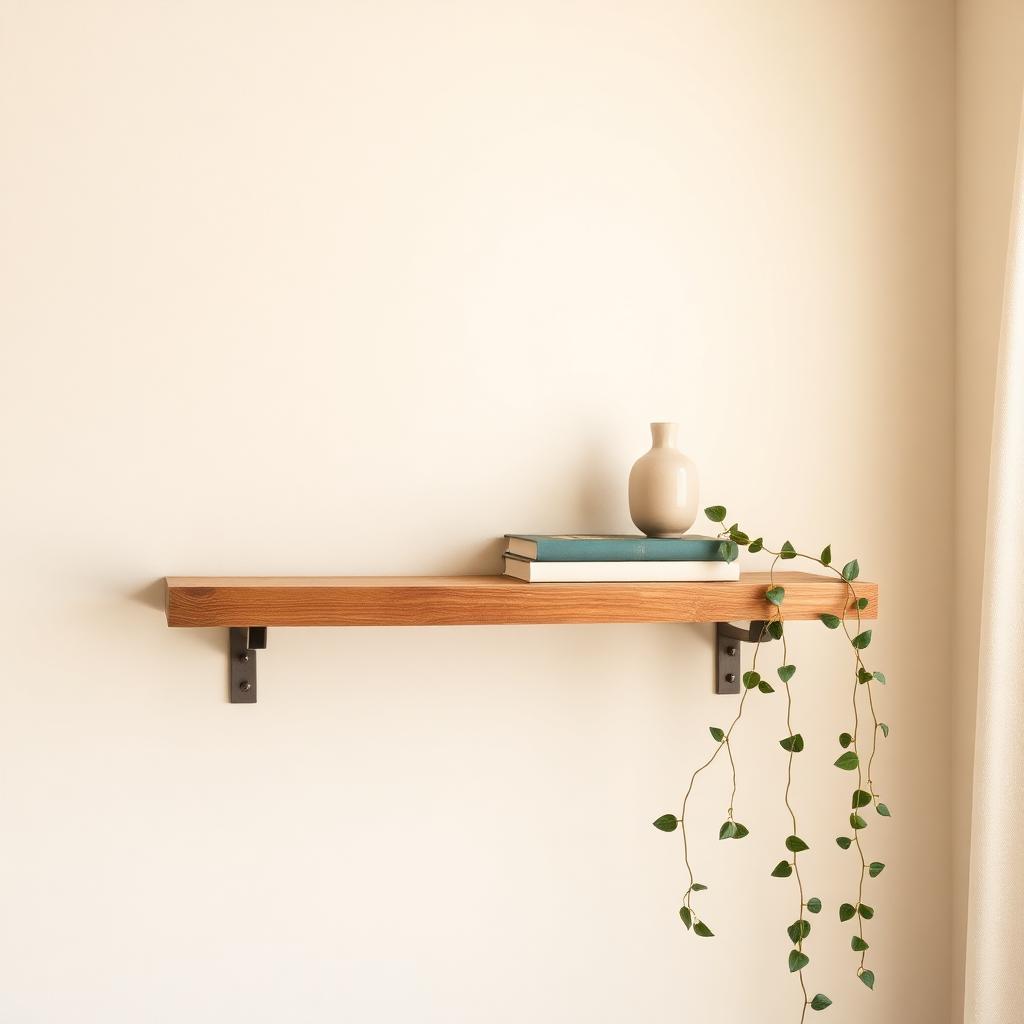
A simple wall-mounted floating shelf you can build in an afternoon with basic tools. Full cut list, hardware, staining, and mounting for a shelf that holds real weight.
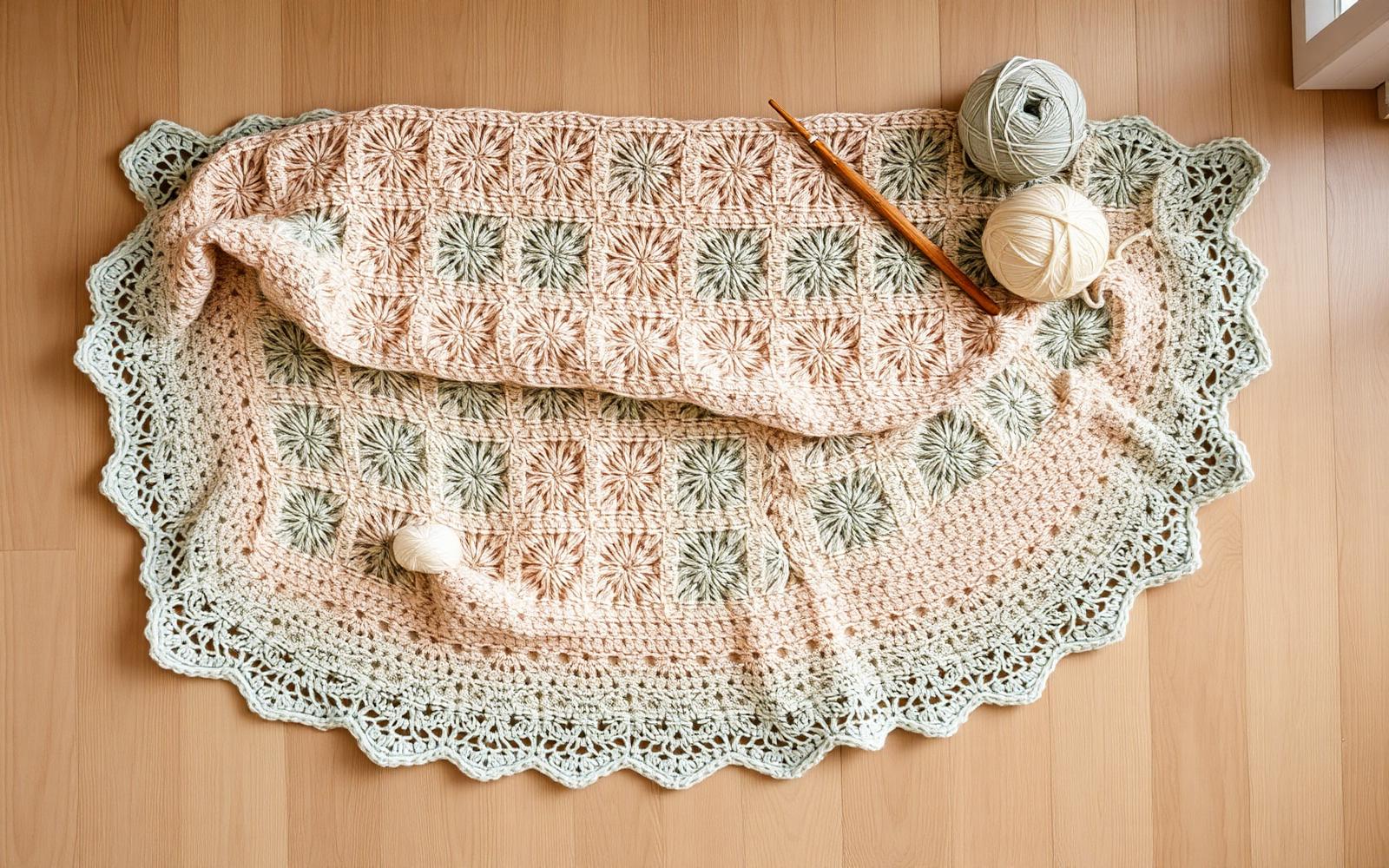
A relaxed, forgiving granny-square blanket you can start today. Full pattern, materials, joining method, and honest tips from stitching this design a dozen times.
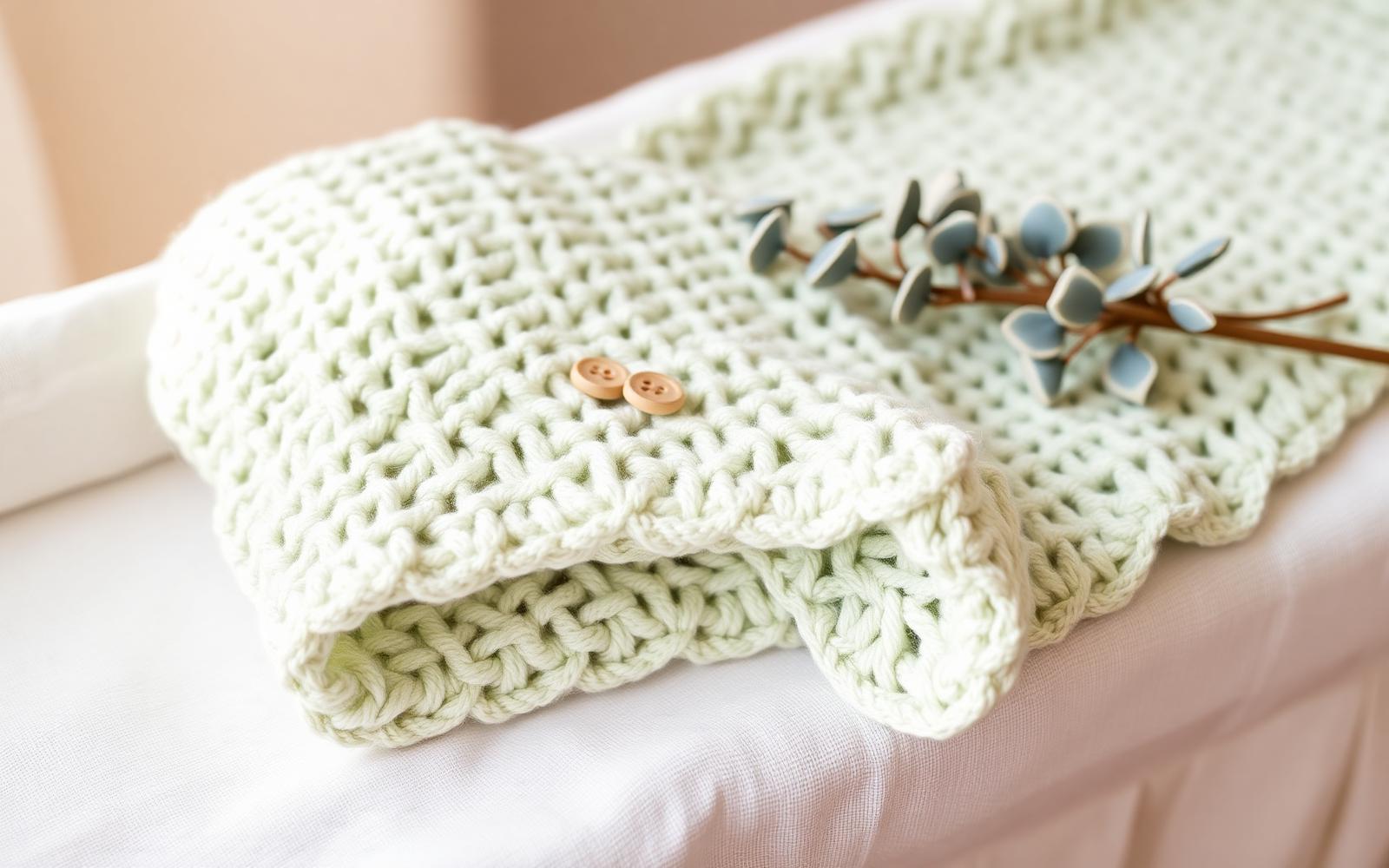
A soft, drapey shell-stitch baby blanket that works up in a weekend. Full written pattern, size chart, yarn recommendations, and the shell-stitch fix everyone gets wrong on Row 2.