'Free crochet patterns' is one of the most-searched craft phrases on the internet, and unfortunately that means the search results are a mess. AI-generated pattern farms, Pinterest images that lead nowhere, and 'free' patterns that turn out to be $6 PDFs at checkout — you've probably hit all three this week. The good news: there are still hundreds of thousands of genuinely free, well-tested crochet patterns online, from designers who publish for the love of it or as a marketing gift.
This guide is the shortlist I hand to students who ask 'where do I even start?' It covers the sites I use weekly, the red flags that tell you to click away, and a simple checklist for evaluating any free pattern before you invest yarn and hours into it.
Most free crochet patterns fall into one of three buckets, and knowing which is which changes how you should treat them.
Independent designers publish free patterns to build an audience, showcase their style, and eventually sell you their premium designs. These are usually the highest-quality free patterns you'll find — the designer is putting their name on it, and the pattern is often tested by multiple crocheters before release. Expect a well-formatted PDF, clear photos, and support if you email with a question.
Lion Brand, Yarnspirations (Bernat/Caron/Red Heart), Hobbii, WeCrochet and Berroco all publish enormous libraries of free patterns designed to sell you their yarn. Quality is generally good — professional tech editors, standardized formatting — but the patterns are written around specific yarns the company wants to move, so substitutions take a little more thought.
3. Ad-supported blog patterns
A designer publishes the full pattern on their blog and earns income from the ads that surround it. In exchange for wading through banner ads, you get a pattern that would sell for $4–$8 as a PDF. This model funds most of the independent crochet-design world. If a pattern is genuinely helpful and free, consider following the designer's social account or buying one paid pattern later — it's how they keep publishing.
Still the single best pattern search engine in the fiber-arts world. Ravelry indexes patterns from thousands of designers, and its filters (yarn weight, hook size, craft, availability, difficulty, and 'projects made') are unmatched. Use the 'availability: free' filter, sort by 'most projects', and you'll see designs that thousands of other crocheters have actually finished — the strongest quality signal you can get. A free Ravelry account is required to download most patterns.
The umbrella site for Bernat, Caron, Red Heart, Patons and Lily Sugar'n Cream. Thousands of free crochet PDFs, professionally formatted, tech-edited, and grouped by yarn and skill level. This is where I send absolute beginners: the patterns are conservative, the photos are honest, and the free PDF is a real PDF (not a landing page).
Lion Brand's free pattern library is enormous — over 6,000 crochet patterns as of 2026 — and searchable by yarn, skill level, and category. Free account required. The house yarns (Wool-Ease, Heartland, 24/7 Cotton) are widely available in the US and easy to substitute, which makes Lion Brand patterns unusually beginner-friendly.
Both yarn companies publish substantial free-pattern collections. Hobbii leans toward modern, colorful, Scandinavian-influenced design; WeCrochet's collection is smaller but heavily tested. Both are good sources when you want something more current than 2010s Red Heart aesthetics.
Independent designer blogs
A short list I return to constantly: Toni Lipsey (TL Yarn Crafts), Jess Coppom (Make & Do Crew), Sarah Ruane (Mama in a Stitch), Rescued Paw Designs, and Repeat Crafter Me. All publish full free patterns on their blogs, all tech-edit before publishing, and all have strong beginner and intermediate collections. Bookmark a few designers whose style matches yours — it will save you hours of searching.
Not every 'free pattern' result deserves your time. Watch for these red flags:
- Pinterest-only patterns with no working source link. The image is real; the pattern isn't. Reverse-image search will often turn up the original, if one exists.
- AI-generated pattern farms. These sites publish hundreds of 'patterns' per week, all with vague stitch counts, no photos of a finished object made from the actual pattern, and generic filler prose. If the introduction reads like a bot wrote it, the pattern was written by one too.
- Sites that promise a 'free download' but redirect you to a paid checkout. Legitimate freebies don't require a credit card.
- Patterns without a designer name or contact. A designer who won't put their name on a pattern usually has a reason.
- Pattern round-ups that just image-scrape other blogs. They exist for ad revenue, not for you. Go one click deeper to the original source and bookmark that instead.
Before you commit yarn and an evening to a new free pattern, run through this quick check. It takes about a minute and saves a lot of frogging.
- Is there a clear finished size and total yardage? If not, walk away.
- Does the yarn recommendation include weight (worsted, DK, etc.) and fiber, not just a brand name? Brand-only means you'll struggle to substitute.
- Is there at least one photo of the finished piece from more than one angle? One glamour shot isn't enough — you want to see how it drapes, sits, or lies flat.
- Do rows or rounds end with a stitch count in parentheses? This is the single best indicator of a tested pattern.
- Does the pattern list abbreviations, or link to a standard glossary? Missing abbreviations usually mean missing tech editing.
- Are there recent finished projects on Ravelry or in the comments? Real makers finishing the pattern is the strongest signal it works.
If you're new and just want something free to make this weekend, these categories have the deepest pool of quality free patterns:
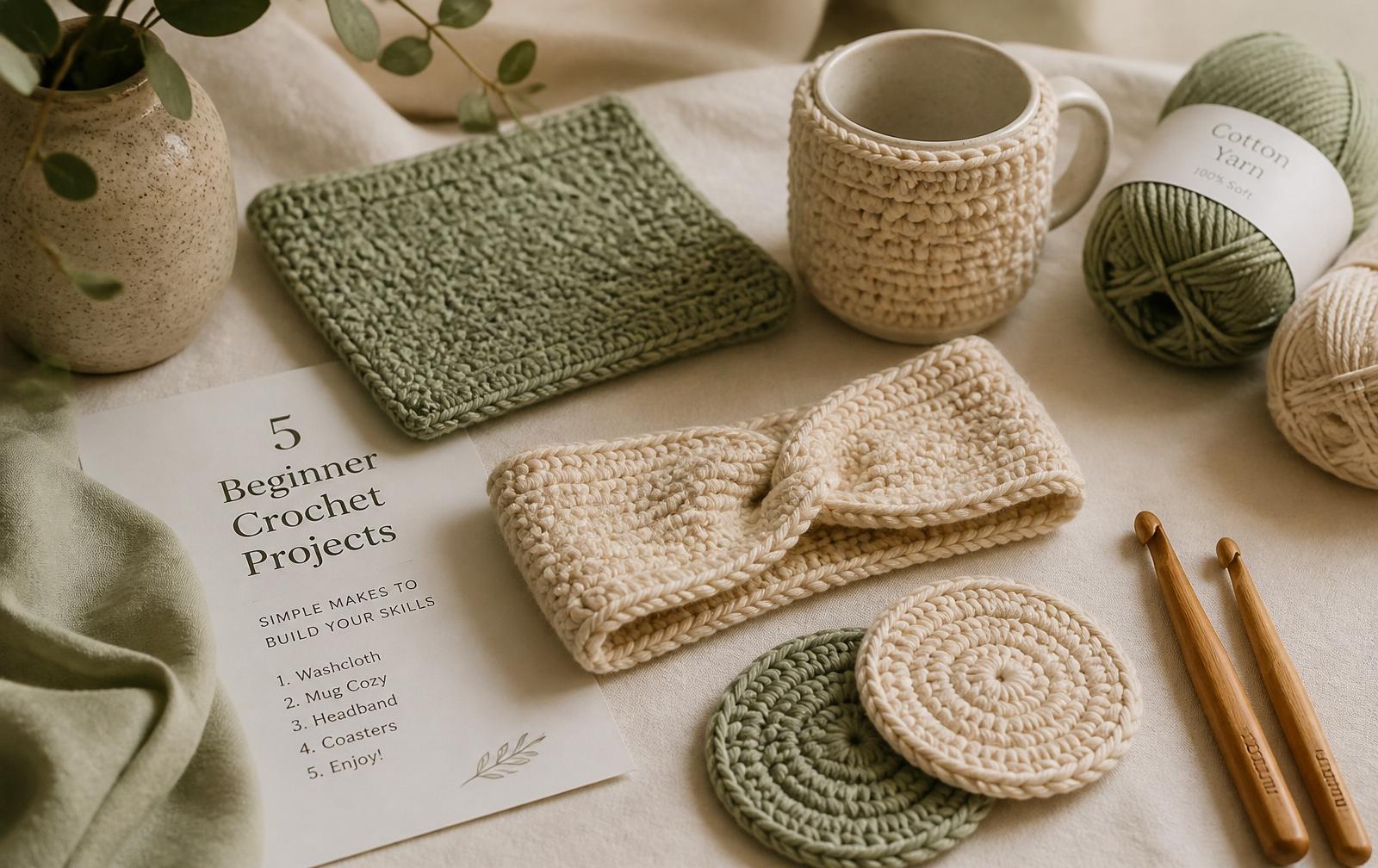
- Dishcloths and washcloths — small, cheap, and every stitch pattern imaginable exists as a free dishcloth version.
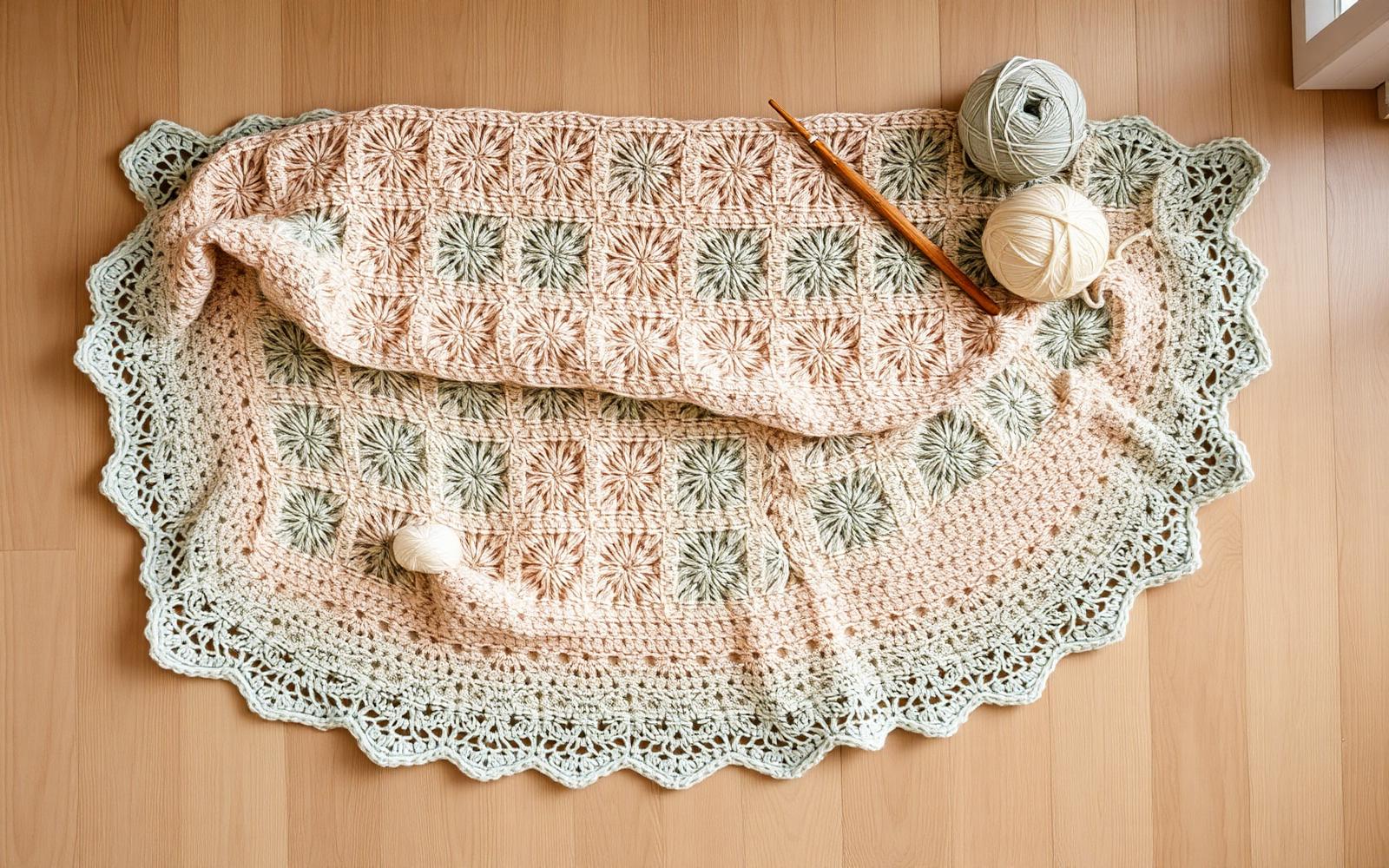
- Granny squares — thousands of free variations, most from designers who have made them many times.
- Simple beanies — a free beanie pattern is a rite of passage for crochet designers; you'll find one for every yarn weight.
- Scarves in a single repeating stitch — great for practicing tension without shaping.
- Basic amigurumi (spheres, small animals) — many popular designers offer their intro amigurumi patterns free to hook you into the paid collection.
Most free patterns are quietly funded by three things: ad views, Ravelry favorites, and finished-project photos. If a free pattern helped you, spend 30 seconds doing one of these before you close the tab.
- Favorite the pattern on Ravelry and add your finished project. It boosts the designer's visibility more than any comment can.
- Leave a comment on the blog post — designers watch these and it directly encourages more free content.
- Tag the designer when you post your finished piece to social media.
- When you can, buy one paid pattern from a designer whose freebies you love. It's the most direct way to keep the free ones coming.
If you're brand new, start with our Easy Granny Square Blanket Pattern for Beginners — it's free, well-tested, and covers most of the foundational stitches. From there, pick one designer from the shortlist above whose style you love, and work through three of their free patterns in a row. You'll learn more about tension, gauge, and pattern-reading in those three projects than in a month of random Pinterest saves.