Every new crocheter asks the same question after the first swatch: what should I actually make? The answer is something small, useful, and forgiving. This list of 15 free beginner patterns covers the projects that build real skills without demanding perfect tension, complicated shaping, or expensive yarn. Each pattern is genuinely free, and each one is a project I recommend to people in their first month of crochet.
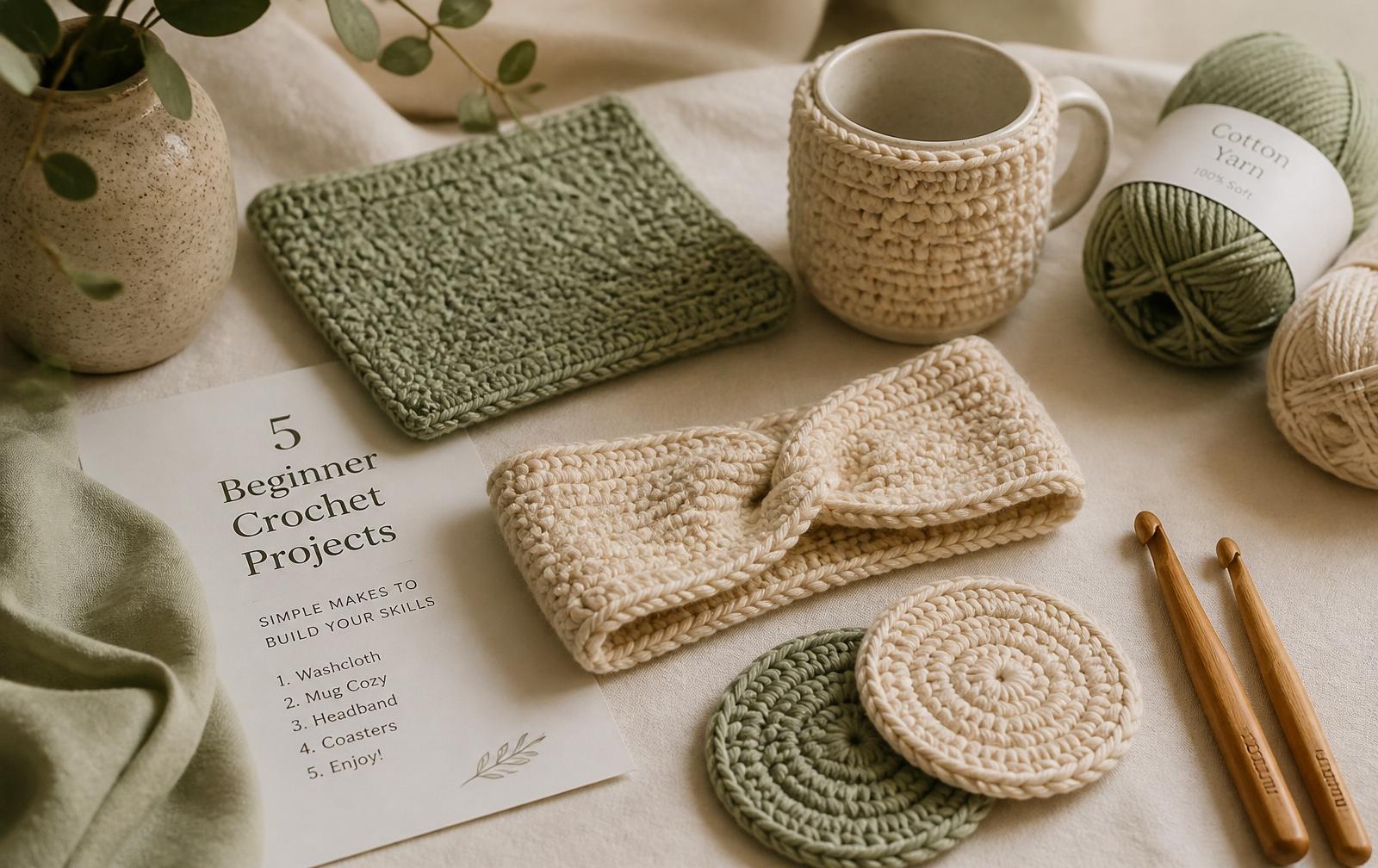
A square washcloth in single crochet or half double crochet is the perfect first project. It is small, repetitive, and useful. Mistakes are hidden by the texture, and a cotton washcloth only needs about 50 yards. Search for a basic crochet washcloth free pattern on Yarnspirations or Lion Brand. Skill built: even tension and turning chains.
A rectangle of double crochet folded around a mug, with a button or loop closure. Uses less than 30 yards. Good for practicing measuring, seaming, and button placement. Skill built: working to a measurement and sewing on a button.
A rectangle of ribbed half double crochet worked across the back loop, seamed to fit your head. No shaping, just counting. Skill built: ribbing, back-loop-only texture, and sizing.
A set of four coasters in the round teaches increasing evenly and reading round-based patterns. Cotton yarn works best. Skill built: circular crochet and counting increases.
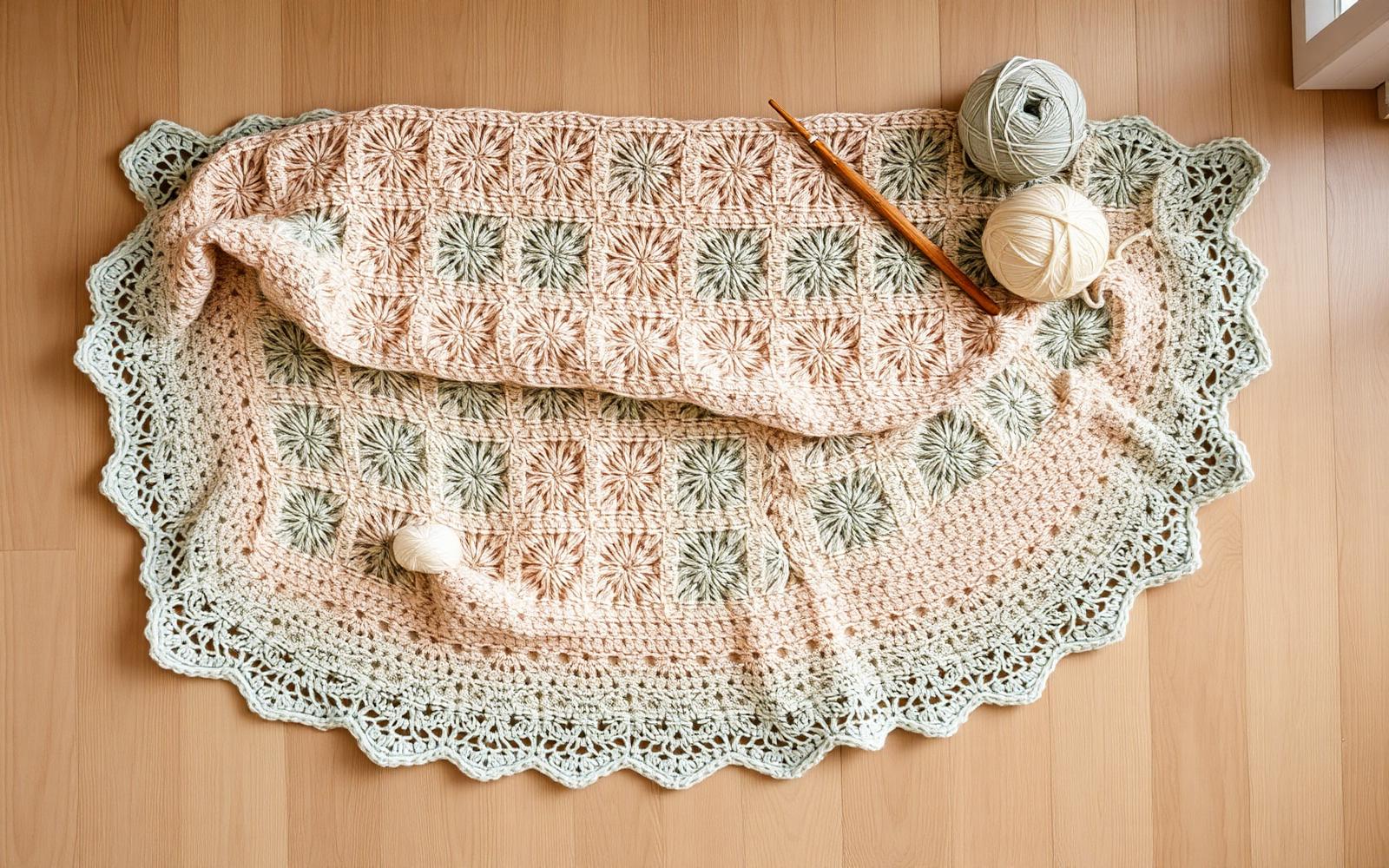
The classic granny square is the gateway to blankets, bags, and cardigans. Start with a solid-color square to avoid tangled color changes. Our easy granny square blanket tutorial also includes a granny square pattern if you want continuity. Skill built: working in rounds, reading corners, and joining.
A baby blanket using only double crochet or the v-stitch is repetitive but rewarding. It is large enough to feel like a real blanket, but the stitch pattern stays simple. Skill built: endurance, consistency, and large-project management.
A long rectangle seamed into a loop. Use a soft worsted yarn and a stitch pattern you already know. Skill built: working long rows without losing count.
A small scrubby made from cotton or nylon scrubby yarn. It is so fast that mistakes do not matter. Skill built: working with textured yarn.
A simple sphere teaches working in a tight spiral, invisible decreases, and stuffing. Avoid safety eyes for your first try; embroider a face instead. Skill built: amigurumi basics and tension control.
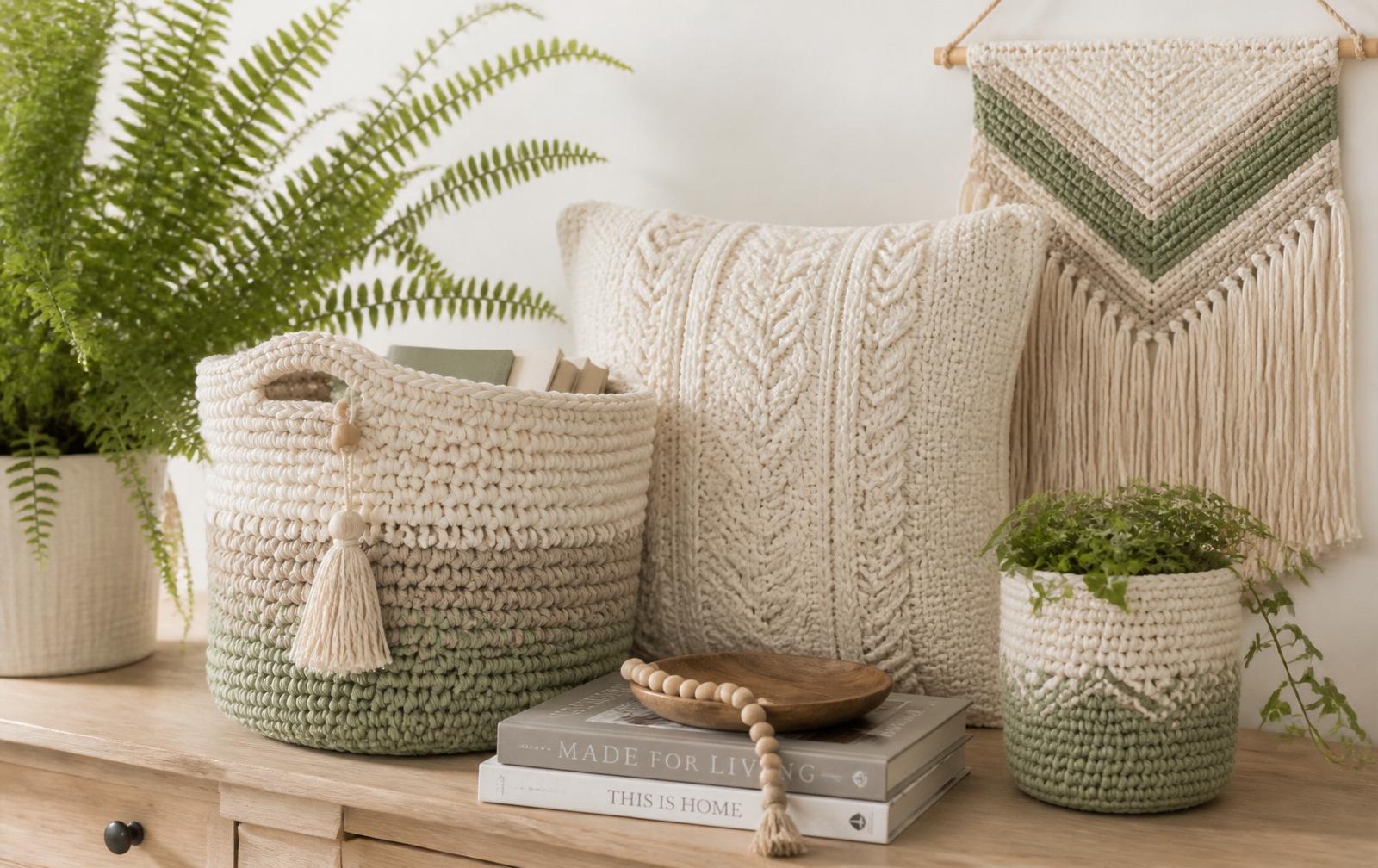
A small basket worked in single crochet with two strands of yarn held together for stiffness. T-shirt yarn also works. Skill built: working with bulky yarn and shaping.
Similar to a headband but slightly narrower, with a twist or knot detail. Works up in under an hour. Skill built: measuring head circumference and seaming.
A rectangle folded over a pillow insert with color changes. Teaches striping, weaving ends, and working to a finished dimension. Skill built: color changes and finishing.
A rectangle folded and seamed, with a channel for a drawstring. Great for holding yarn scraps, toiletries, or gift wrap. Skill built: seaming, channels, and finishing.
Tiny rounds of cotton yarn. Make a dozen in an evening. Skill built: fast circular crochet and counting.
Once you have made a few flat projects, baby booties introduce basic shaping. Choose a pattern with minimal seaming. Skill built: following a shaped pattern and seaming.
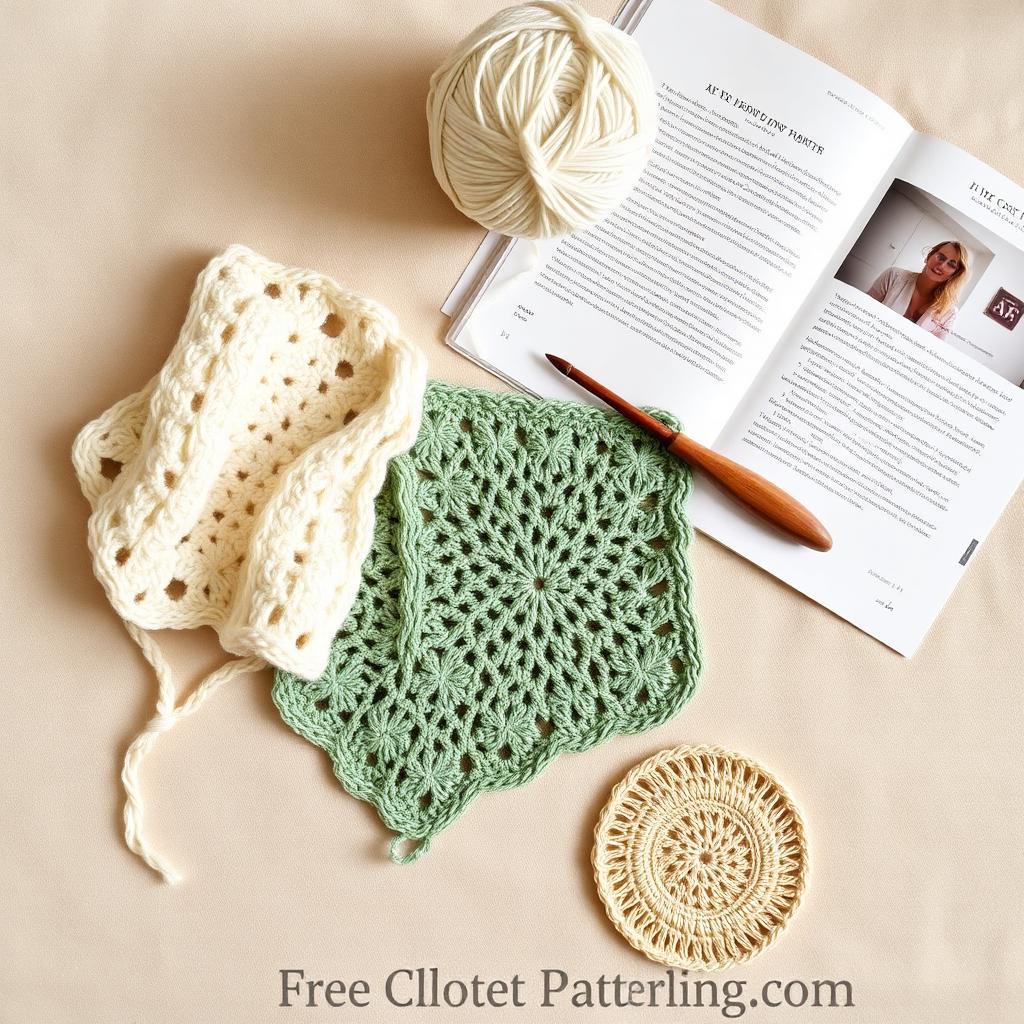
Reliable sources for free crochet patterns include Yarnspirations, Lion Brand, Red Heart, Bernat, Ravelry's free section, Moogly, and AllFreeCrochet. For a deeper guide on spotting quality patterns, see our article on where to find free crochet patterns without the junk.
Pick a project that uses only one or two stitches, one color, and no shaping. The project should feel useful enough that you want to finish it, and small enough that you can finish it in a week. A finished washcloth beats a half-finished blanket every time when you are learning.