Yarn ReviewsBeginner
The Best Yarns for Crochet in 2026: An Honest Review
A working crocheter's review of the yarns actually worth buying — what each fiber blends is like to stitch, block and wear, and what we'd use it for.
A working crocheter's review of the yarns actually worth buying — what each fiber blends is like to stitch, block and wear, and what we'd use it for.
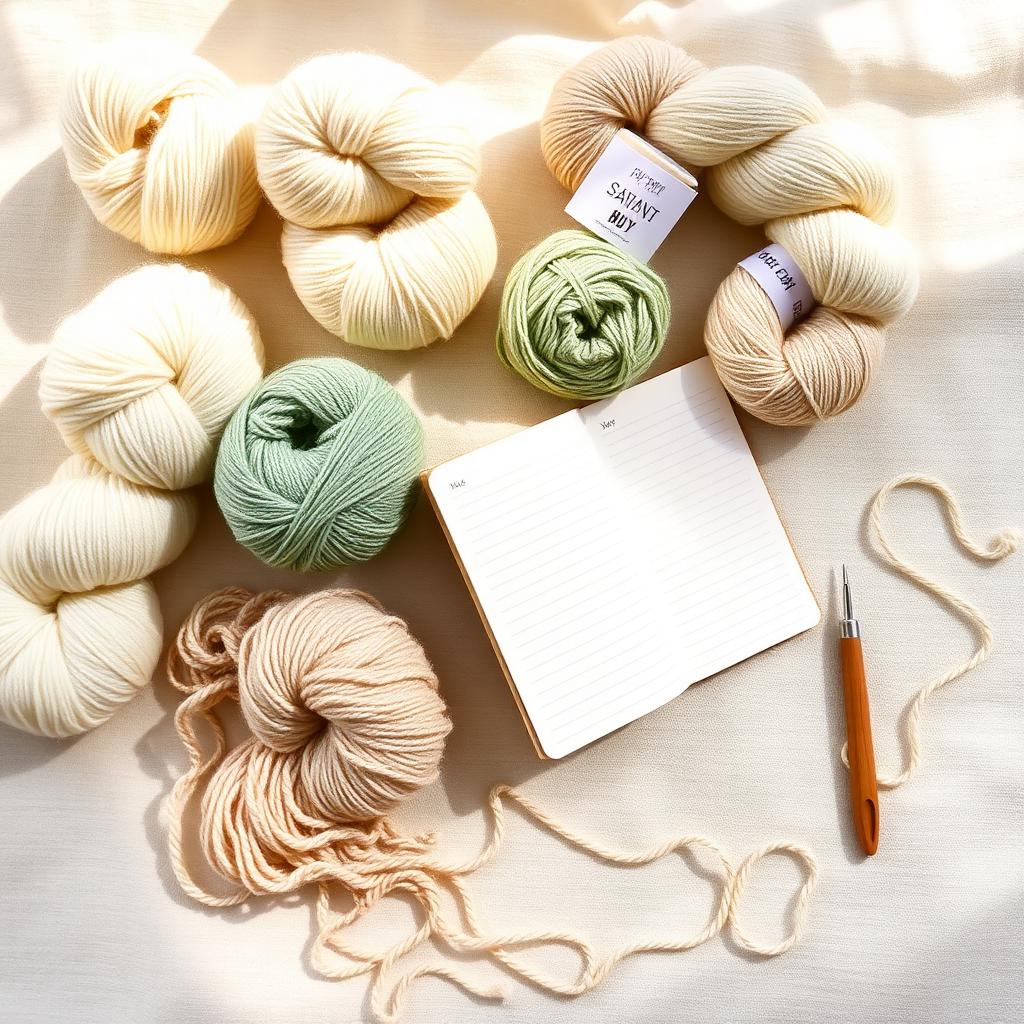
The yarn aisle is overwhelming, most yarn reviews online are lightly disguised affiliate posts, and 'best' depends entirely on what you're making. This review covers the yarns I've actually crocheted with over the past two years — what they feel like on the hook, how they block and wear, and honestly what I'd make with each one.
No affiliate links. No sponsored reviews. Just a working notebook of the yarns that ended up in my regular rotation and a few that didn't.
Mercerized cotton, worsted weight, about $6 per 186-yard skein. The workhorse of my dishcloth and market-bag rotation. Smooth, defined stitches, holds shape beautifully. It's slightly firm on the hook — if you crochet tight, go up half a hook size. Blocks crisply, machine washable. Not soft enough for a baby blanket, but perfect for anything that needs structure.
Polyester chenille, super-bulky, about $8 per 220-yard skein. Splitty on the hook — every seasoned crocheter has feelings about Bernat Blanket. If you can get past the splitting (bigger hook helps), it makes fast, thick, machine-washable blankets that non-crocheters love. Not my favorite fiber, but it earns its place in the beginner-blanket world.
100% acrylic, worsted weight, about $4 per 364-yard skein. Cheap, durable, comes in every color imaginable. Feels a bit stiff and scratchy on the hook, softens noticeably after washing. What I use for practice swatches, kids' craft projects, and anything I need in a color no natural fiber comes in. Not what I'd choose for a garment worn next to skin.
100% Peruvian Highland wool, worsted weight, about $11 per 220-yard skein. The yarn I recommend most often to intermediate crocheters. Perfect stitch definition, blooms beautifully when blocked, dozens of colors. Wool that isn't superwash, so hand wash only — but the resulting fabric is warm, durable and holds up for years.
Superwash wool/acrylic/nylon blend, worsted weight, about $10 per 218-yard skein. My go-to for garments where I care about wear. Machine washable, doesn't pill much, feels soft against skin. Slightly less crisp stitch definition than pure wool, but the trade-off for washability is worth it for kids' items and everyday sweaters.
100% cotton, aran weight, about $3 per 82-yard ball at European retailers. Softer than mercerized cotton, less shiny, and easily the best cotton-per-dollar deal on the market. Slight tendency to split; hook of choice matters. Beautiful for kitchen linens, market bags and summer tops.
100% merino wool, worsted weight, about $17 per 210-yard skein. Hand-dyed and buttery-soft — the yarn every crocheter falls in love with once. Slight pooling and color variation is part of the charm; check whether that reads well for your project. Not the most durable fiber, and it will pill on high-friction items. Wear it in a scarf or cowl and you'll be delighted; use it for a market bag and you'll be sad.
100% Targhee-Columbia wool, worsted weight, about $16 per 140-yard skein. Rustic, woolly, unapologetically warm. Not the yarn for anyone allergic to a bit of scratch, but the finished fabric has a beautiful texture no smooth yarn can imitate. Ideal for outerwear, hats and traditional cabled pieces.
Wool/alpaca/linen blend, fingering weight, about $16 per 439-yard skein. Fine gauge, sophisticated color palette, lovely drape. Not a beginner yarn — small stitches and delicate handling — but for lightweight shawls and open lacework it's exceptional.
Not every popular yarn earns a permanent spot. A few I've moved away from:
Simplified decision tree that has never failed me:
A light-colored worsted-weight mercerized cotton like Lion Brand 24/7 Cotton. It shows stitch definition clearly, doesn't split, and is inexpensive enough to rip out without regret.
Depends on the project. Wool has better stitch definition, breathability and warmth; acrylic is cheaper, machine-washable and comes in every color. Wool blends give you most of both.
Softer, fluffier yarns pill more. Merino and alpaca pill; superwash-treated wools pill less; cotton and linen barely pill at all. Rub a small swatch against itself vigorously for a minute — if it fluffs, expect pilling in wear.
For learning, practice swatches and kids' crafts, absolutely. For garments and gifts you want to last, invest in a mid-range natural fiber — the difference in wear over a year is enormous.
For a standard 40" x 50" throw in worsted-weight yarn, plan on 1,600–2,000 yards. For a baby blanket around 30" square, plan on 700–900 yards. Always buy a little extra from the same dye lot.
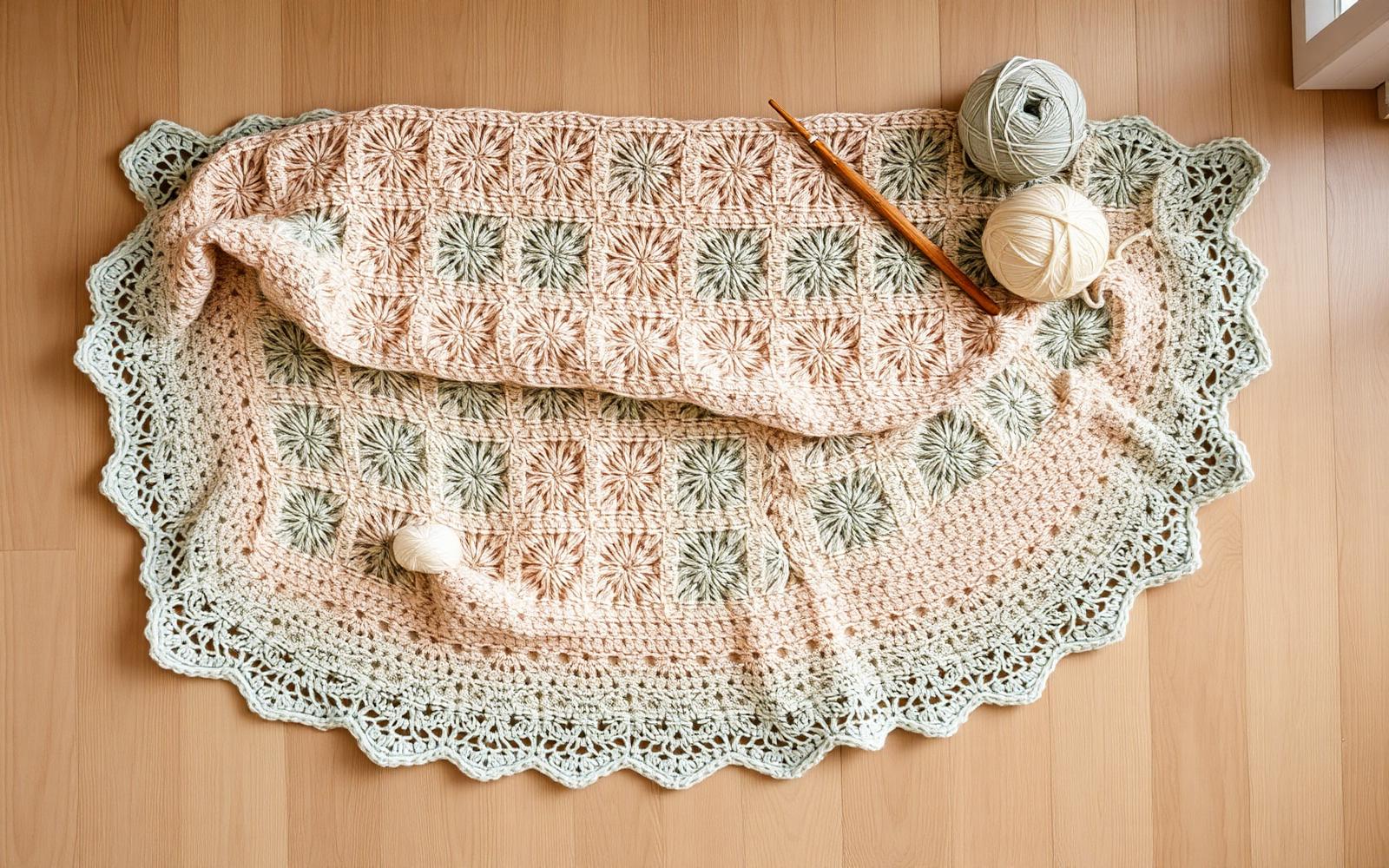
A relaxed, forgiving granny-square blanket you can start today. Full pattern, materials, joining method, and honest tips from stitching this design a dozen times.
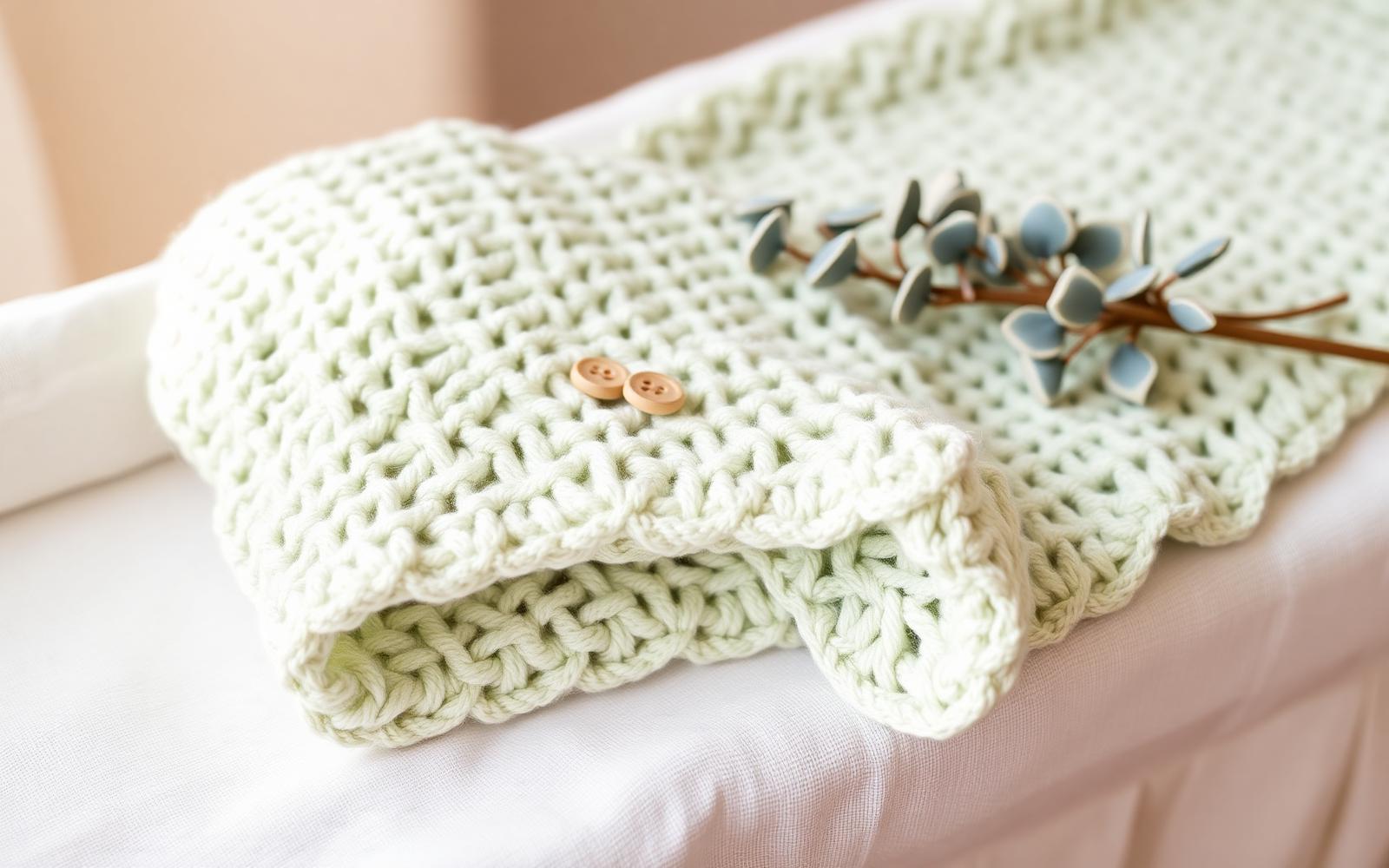
A soft, drapey shell-stitch baby blanket that works up in a weekend. Full written pattern, size chart, yarn recommendations, and the shell-stitch fix everyone gets wrong on Row 2.
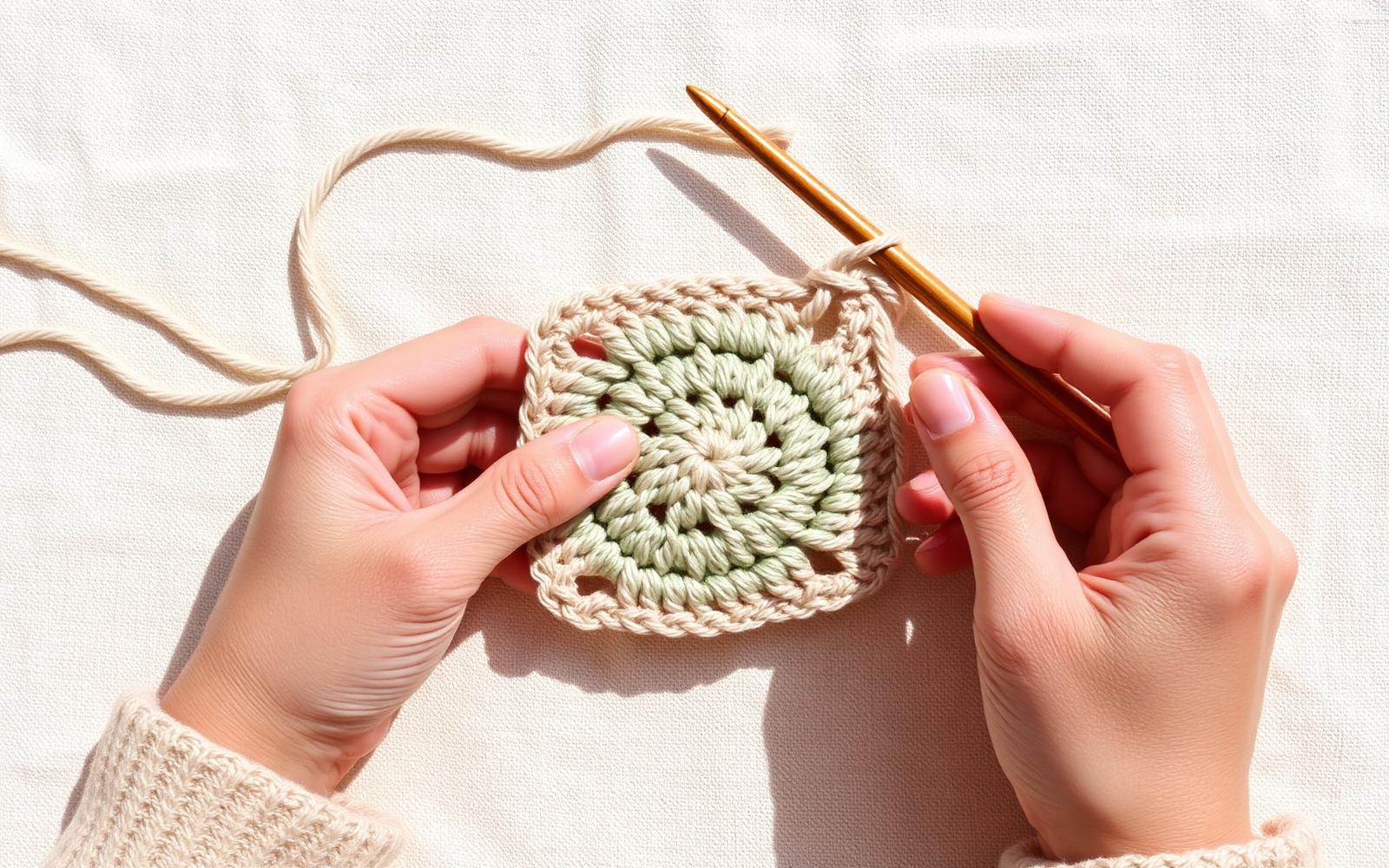
The single most useful motif in crochet, explained clearly with abbreviations, photos of every round, and the two beginner mistakes to avoid.